• Cityguide Salzburg

    The hidden corners of the city of Mozart

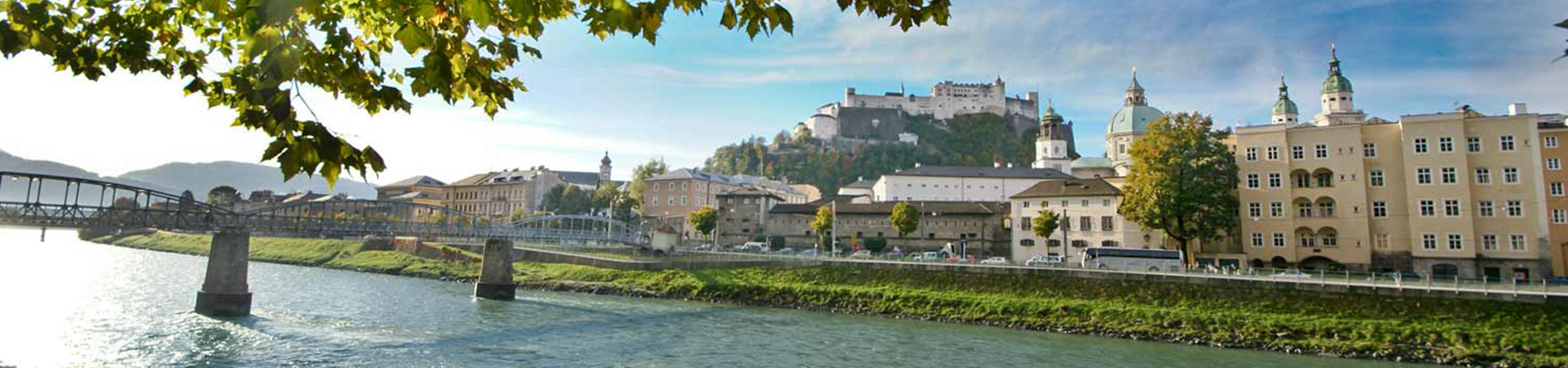
    Blick auf Salzach, Altstadt und Festung Hohensalzburg

City Guide around the hotel (Kaiviertel)

We have created an individual city guide with insider tips about the hotel especially for our guests. You won’t necessarily find these tips in every travel guide.

Discover the colorful Kaiviertel…

… and fall in love. Into this city that has so much to offer. The variety of architectural, cultural and scenic highlights in the city of Mozart and the Festival fills books and many travel guides. At this point, we would like to take you to the less prominent, but all the more charming alleyways and spots of our city, or rather: the Kaiviertel. Let yourself be seduced, let yourself be inspired. And feel free to ask us for even more insider tips in our colorful “Grätzel” between Mozartplatz and Kajetanerplatz. We will be happy to share them with you.

Walk over the Nonnbergstiege into another world.

If you follow Kaigasse out of town towards Nonntal, you will see an old stone staircase on the right-hand side of the street just a few meters after Hotel Wolf – the Nonnbergstiege. Framed by historic old town houses, interrupted here and there by wildly romantic, overgrown gardens and well-tended terraces, it leads up to the convent. You will feel like you are in another world – the touch of history is omnipresent here. You can visit the church or the convent cemetery. Or you can continue along the beautiful old Hohe Weg towards Mönchsberg. No matter which route you choose: The views of the city of Salzburg from the Nonnberg and Mönchsberg are simply magical. To read more and find out more: https://www.nonnberg.at/kontakt-und-information/

Experience the sunset on the Richterhöhe.

This panorama! The Richterhöhe on the Mönchsberg, one of Salzburg’s city mountains, is simply breathtaking at any time of day. When the mysterious Untersberg rises silently and majestically on the horizon, the Hohensalzburg Fortress appears close enough to touch and the city of Salzburg spreads out at your feet, you can’t help but go into raptures. And when you sit down on one of the benches or in the soft grass of the Richterhöhe at sunset, we are sure you will never forget the view you enjoy from up here. There are various ways up to the Richterhöhe. The walk up the stairs at the Festspielhaus, in the Toscaninihof, up to the Mönchsberg is charming.

Forget the time in St. Peter’s Cemetery.

A cemetery as a sightseeing tip in Salzburg? But yes! Because St. Peter’s Cemetery is truly unique. This is not only because it is the oldest Christian burial site in Salzburg alongside the cemetery of Nonnberg Abbey. The truth is: it is simply beautiful. At the foot of the fortress hill, St. Peter’s Cemetery nestles against the rock. Depending on the incidence of light, it sometimes appears morbid, sometimes romantic, sometimes even enchanted. And always a little out of time. No wonder that St. Peter’s Cemetery was the focus of interest for many painters and poets of the 19th century. If you spend your Salzburg city trip at Hotel Wolf, a short walk along Kapitelgasse and Kapitelplatz will take you to St. Peter’s Cemetery. It’s always worth a visit! To read more and find out more:https://www.stift-stpeter.at/de/kloster/index.asp?dat=Friedhof-Katakomben

Discover the history of Herrengasse.

It winds its way along the foot of the fortress hill, the old cobblestones and the wall marked by time give it a tart and charming appearance. The small Herrengasse, which branches off from Kaigasse in the direction of Hohensalzburg Fortress, used to be home mainly to canons. This is why it was also called “Domherrengasse” for a long time – due to its proximity to the cathedral district. At some point over the decades, the “Dom” was lost and the alley became “Herrengasse”. In the late Middle Ages, when the alley was built, mainly craftsmen and citizens who were in the service of the princely clergy settled here. As you stroll through the alley, it is worth taking a closer look at the narrow Gothic buildings, which are marked with the house numbers 26 and 28. Over the centuries, they have been joined together by a rear wing on the rock face around an inner courtyard with its own fountain to form a spacious town house. This special building has been a UNESCO World Heritage Site since 1998.

In the surroundings of the city of Salzburg
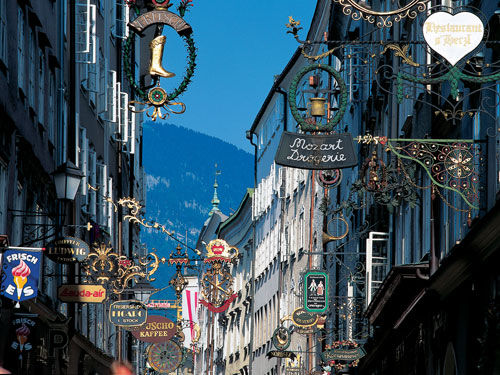
Historische Zunftzeichen in der Getreidegasse in Salzburg

Getreidegasse

The Getreidegasse, probably Salzburg’s most famous shopping street, gets its charm not only from tall, narrow houses nestled close together, enticing stores and the wrought-iron guild signs, but also from romantic through-houses and inner courtyards.
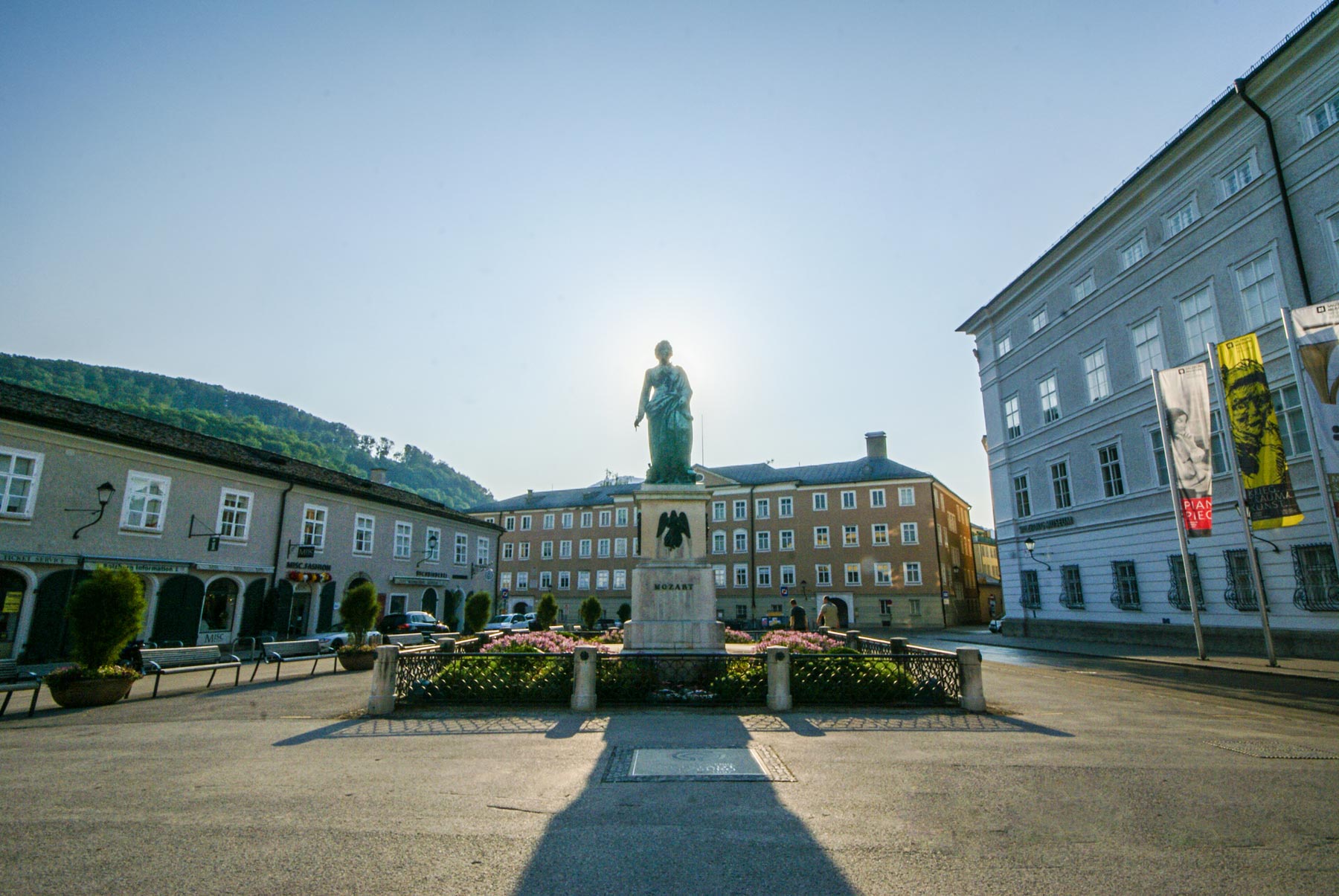
Mozartplatz

Mozartplatz Mozart monument

Mozartplatz, just 30 steps away, was created following the demolition of several houses by Prince Archbishop Wolf Dietrich. The focal point of the square is the Mozart monument by Ludwig Schwanthaler, whose ceremonial unveiling took place on September 5, 1842 in the presence of Mozart’s sons. The statue was cast in bronze by Johann B. Stiglmayer in 1842. Mozart’s widow, Constanze von Nissen, did not live to see these celebrations; she died on March 6 of the same year at Mozartplatz 8.
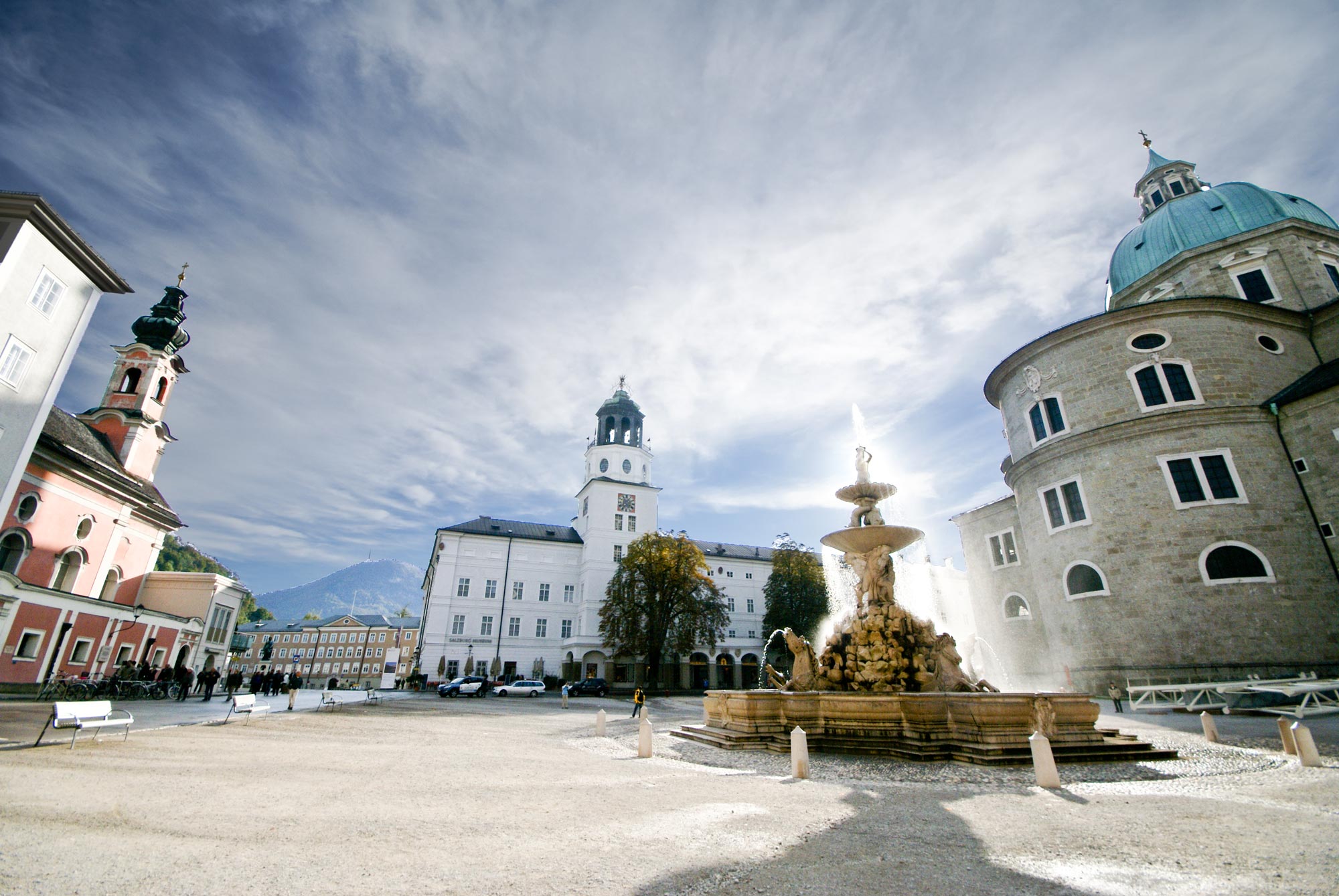
Residenzplatz, Glockenspiel, Dom

Residenzplatz Residenzbrunnen

Residenzplatz is considered a particularly magnificent forecourt between the prince-archbishops’ residences in the heart of Salzburg’s old town. It is bordered by the New Residence with its carillon, the cathedral, the Old Residence and a closed façade of town houses, which today house stores, a bakery and a café.
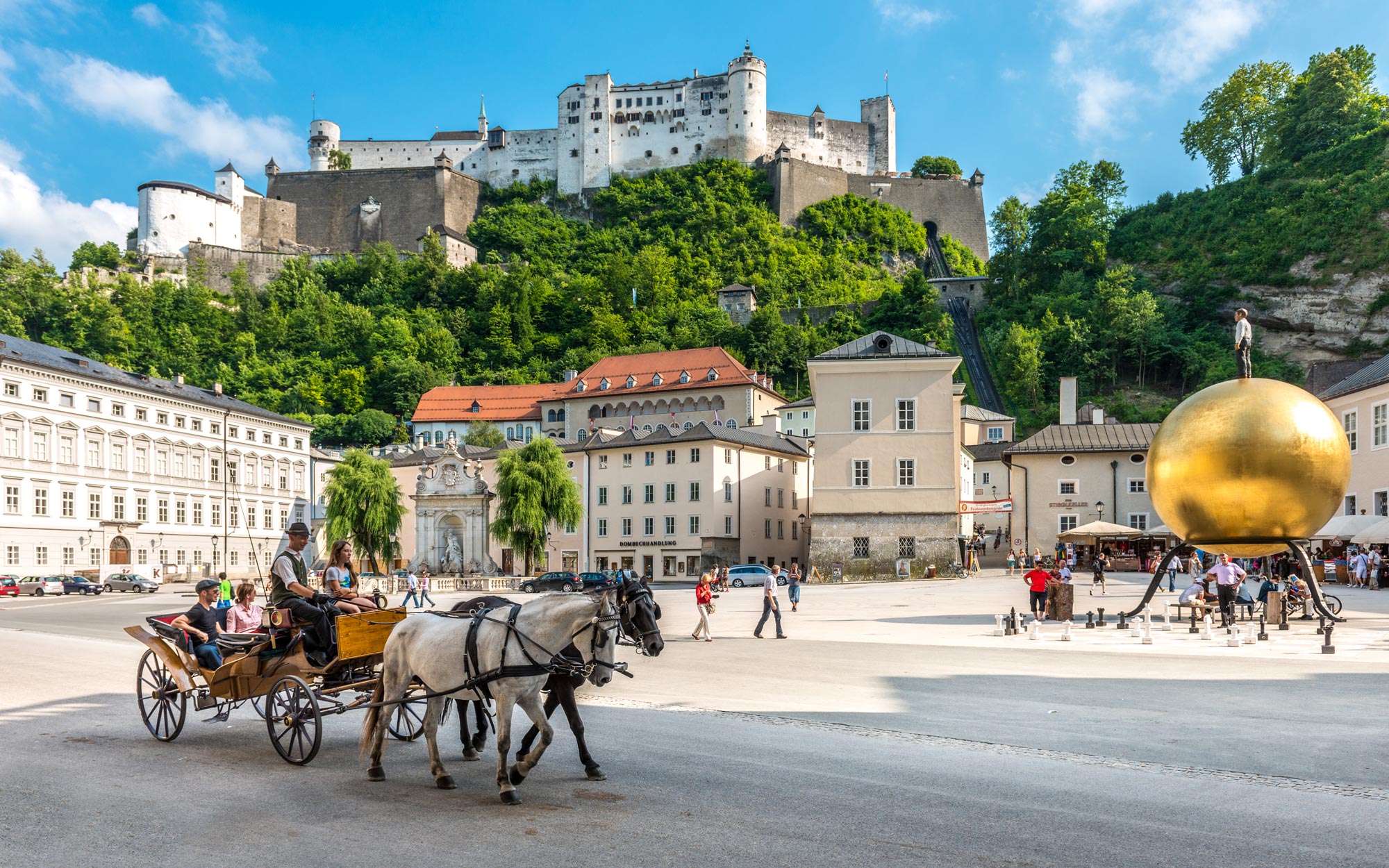
festung hohensalzburg

Hohensalzburg Fortress

Hohensalzburg Fortress was built in 1077 by Archbishop Gebhard. It is the largest completely preserved castle in Central Europe. The castle is over 900 years old and was originally built to protect the archbishops. The fortress also served as barracks and a prison. Archbishop Leonhard von Keutschach gave it its present appearance. The fortress museum and the medieval prince’s rooms are particularly worth a visit.
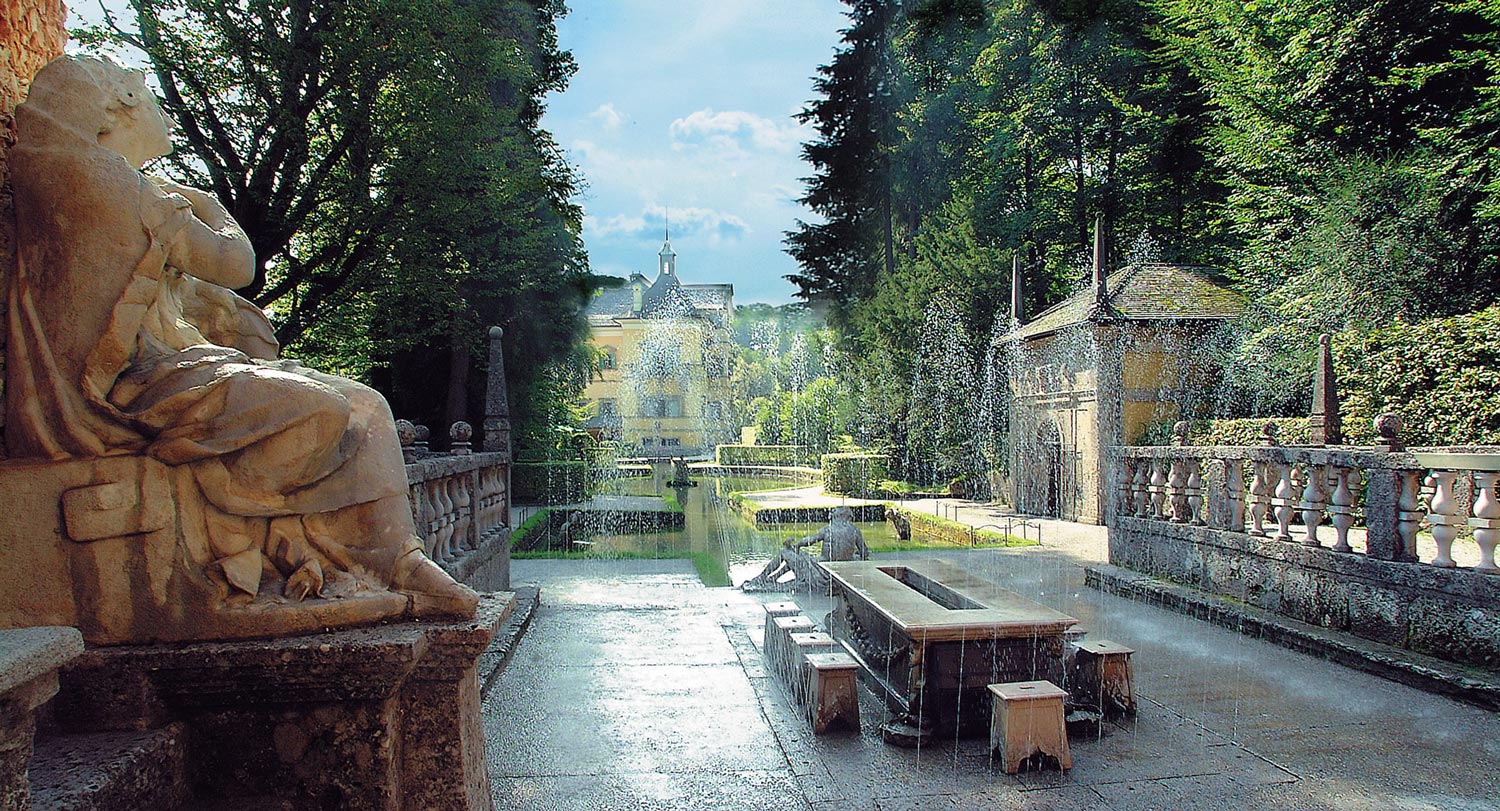
hellbrunner wasserspiele

Hellbrunn

400 years of Hellbrunn – a jewel on the outskirts of Salzburg Enjoy a visit to Hellbrunn in the south of Salzburg. This fantastic palace complex offers pure variety in both summer and winter. Prince Archbishop Markus Sittikus had this pleasure palace in the south of Salzburg built between 1612 and 1615. It is therefore over 400 years old. The master builder Santino Solari carried out this commission following the Italian model.
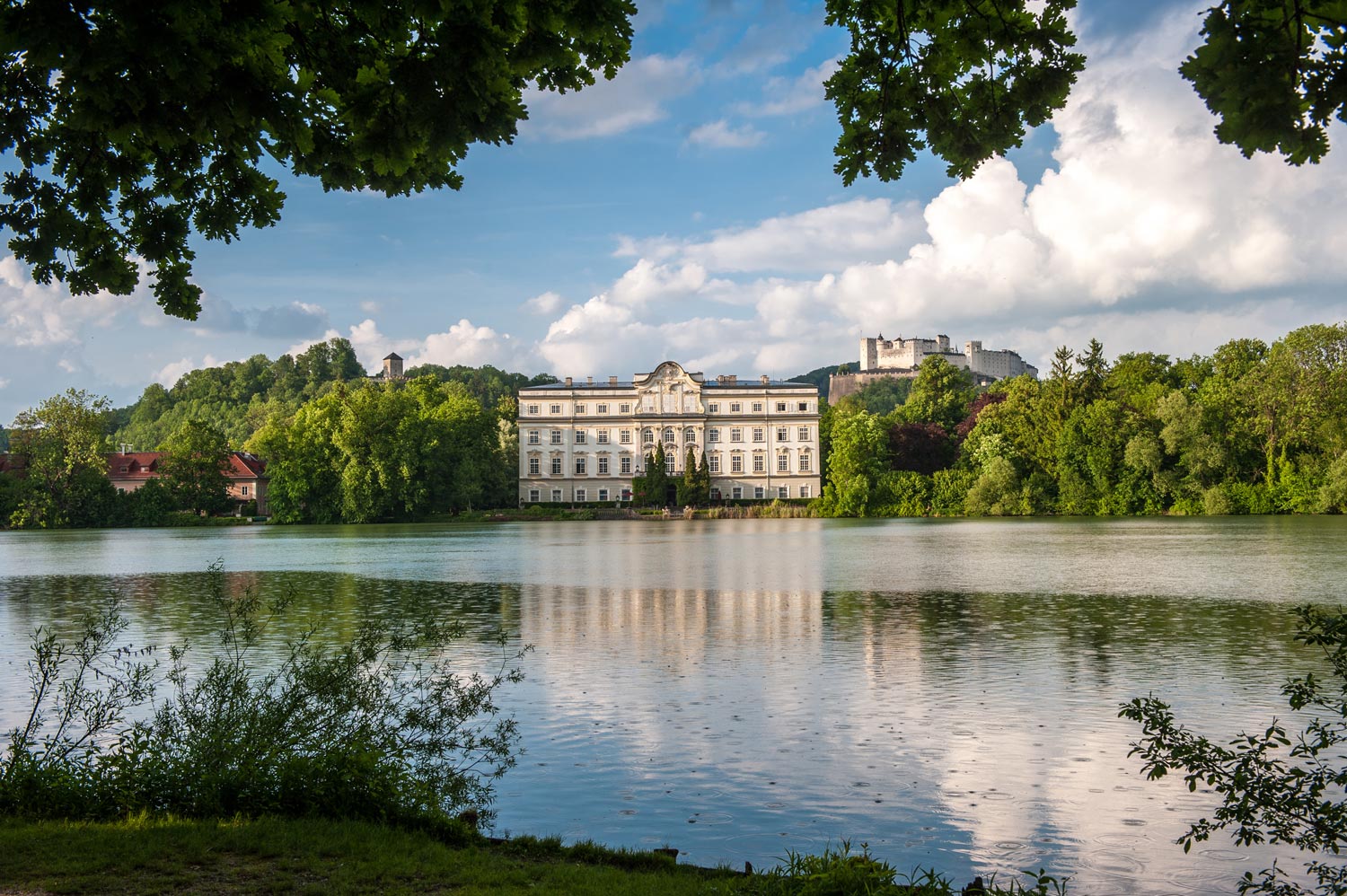
leopoldskron

Leopoldskron Castle

Schloss Leopoldskron is pure inspiration! Just a few minutes’ walk from Salzburg’s old town, it is nestled in a dreamlike natural setting with a view of the majestic mountain panorama at Leopoldskroner Weiher.
mirabellgarten

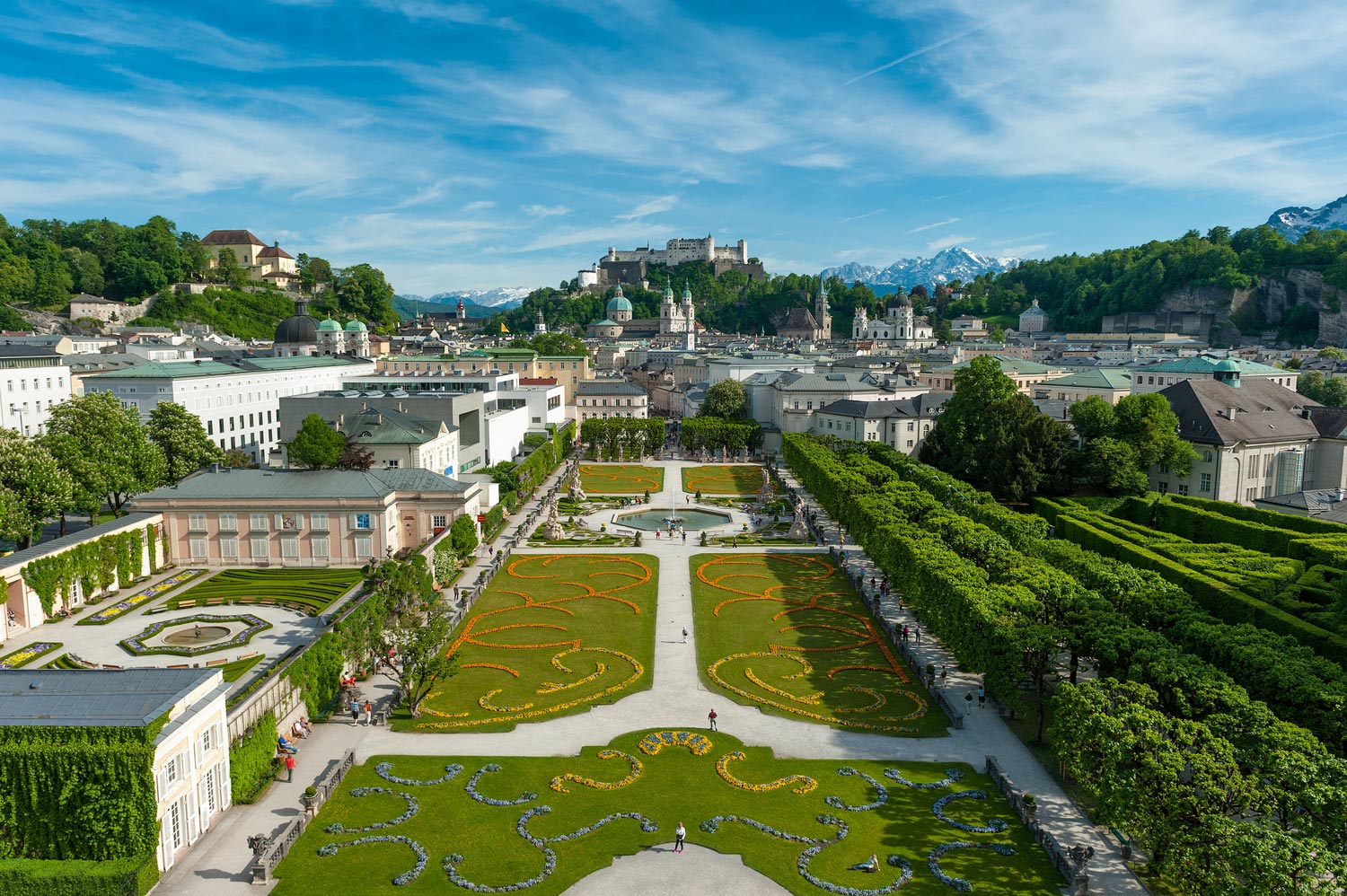
Mirabell Palace Mirabell Gardens

It was a gift of love that Prince Archbishop Wolf Dietrich von Raitenau had built for his Salome Alt. Altenau Palace was built in 1606 and later renamed Mirabell by Markus Sitticus.